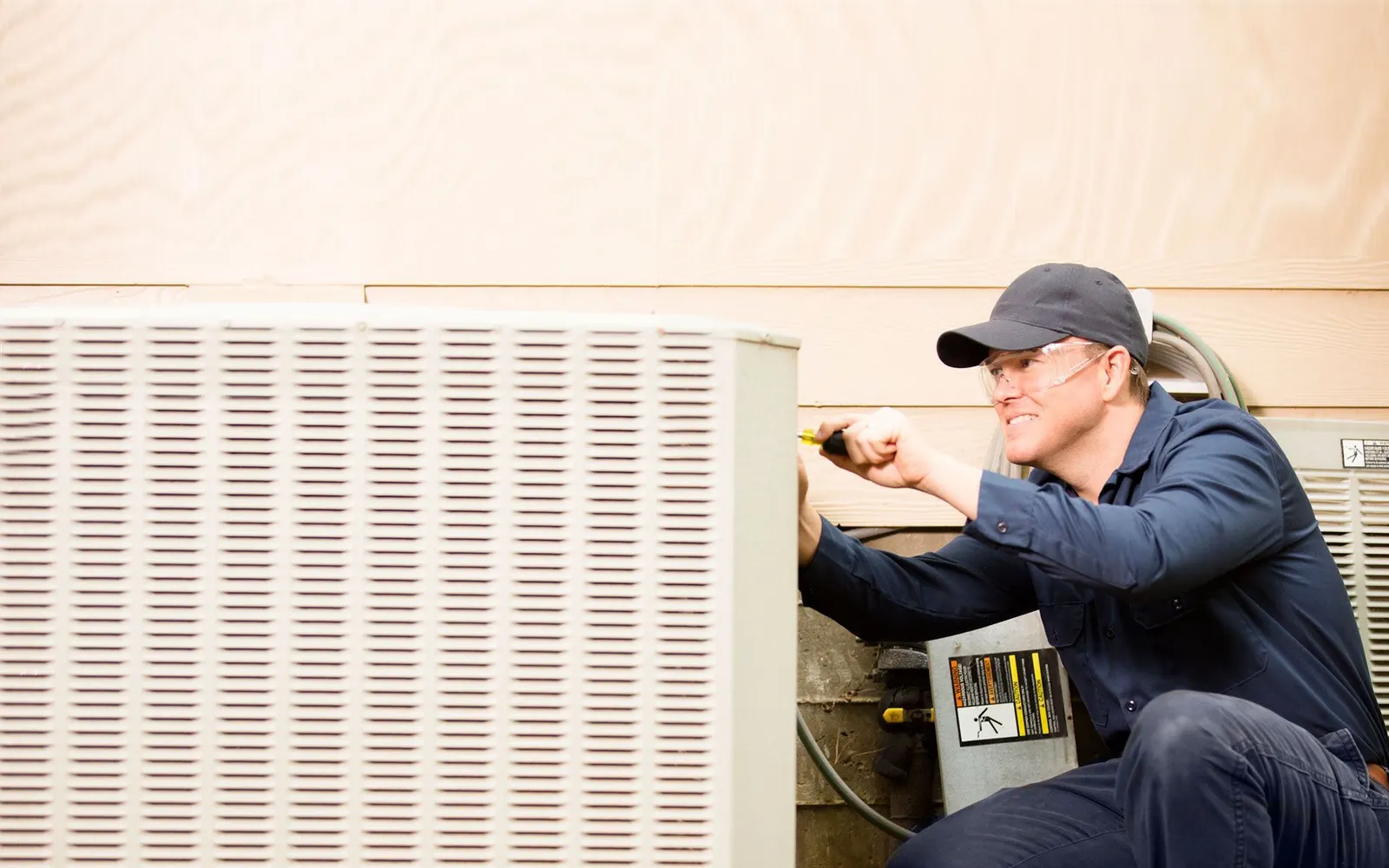
Heating Repair & Service in Southern Illinois
Is your furnace running but the house won't warm up? We diagnose failed components and restore reliable heat to Southern Illinois homes.
When Your Furnace Stops Working and the House Won't Warm Up
Is your furnace running but blowing cold air, or cycling on and off every few minutes without ever heating the house? Maybe you're hearing a loud bang when it fires up, or one side of your home stays freezing no matter how long the system runs. These aren't problems that fix themselves — they're signs that something inside your heating system has failed or is failing, and they need a technician who knows furnaces to diagnose and repair them correctly. Smith Heating, Air & Sheet Metal has been handling heating repairs across Southern Illinois for decades, and we're ready to figure out what's wrong and get your heat back on.
Warning Signs Your Heating System Needs Repair
Furnace Runs But No Heat Comes Out
You hear the ignition sequence, the blower kicks on, and the system completes its cycle — but the air coming through the vents is barely warm or room temperature. This usually means a failed flame sensor that's shutting the gas valve down prematurely, a cracked heat exchanger triggering a safety limit, or a blower motor running at the wrong speed and moving air before the heat exchanger warms up.
Short-Cycling: Furnace Turns On and Off Every Few Minutes
The furnace fires, runs for sixty to ninety seconds, shuts down, then fires up again a couple of minutes later. It never completes a full heating cycle, and the house stays cold because the system isn't running long enough to move warm air through the ductwork. Short-cycling is almost always a safety response — a dirty flame sensor, a failing limit switch, or a blocked vent triggering a pressure switch.
Strange Noises: Banging, Squealing, or Rumbling
A loud bang or boom at startup means gas is pooling before igniting — that's delayed ignition caused by dirty burners or a weak ignitor. A high-pitched squeal from the blower points to worn bearings or a failing belt on older systems. Rumbling during the burn cycle can indicate a cracked heat exchanger or improper air-fuel mixture, and rhythmic clicking usually means a failing relay or gas valve.
Uneven Heating: Some Rooms Warm, Others Stay Cold
The living room is comfortable, but the bedrooms are freezing, or upstairs never warms up no matter how long the furnace runs. Uneven heating points to ductwork problems — leaks in crawlspace or attic ducts, undersized runs to certain rooms, or stuck dampers. In older Southern Illinois homes, we see a lot of ductwork that was added room by room over decades, and the newer runs were never sized correctly.
Pilot Light Won't Stay Lit or Ignitor Glows But Won't Light
On older furnaces, the pilot keeps going out after you relight it — that's usually a failing thermocouple. On newer electronic-ignition systems, the ignitor glows orange but no flame appears, the gas valve clicks but doesn't open, or the furnace tries a few times and shuts down. A weak ignitor, a failing gas valve, or low gas pressure are the usual culprits.
Heating Bills Suddenly Spike With No Change in Usage
Your heating bill jumps thirty or fifty percent compared to the same month last year, but you haven't changed the thermostat setting or run the system more. A sudden efficiency drop means the furnace is working harder to produce the same heat — usually because of a clogged filter restricting airflow, duct leaks that have worsened, dirty burners, or a limit switch tripping prematurely and causing short-cycling.
Common Causes Behind Heating Failures
Normal Wear on Ignitors, Flame Sensors, and Limit Switches
Furnaces cycle hundreds of times every heating season, and the ignitor heats to over 2,500 degrees every time the system fires. Ignitors are consumable parts that last three to seven years, and when they fail, they're replaced — there's no repairing them. Flame sensors sit in the burner flame and get coated with carbon over time, which insulates them and prevents reliable flame detection — we clean them with fine steel wool or replace them if they're corroded. Limit switches can drift out of calibration after years of cycling, and when they fail, they're tested and replaced.
Ductwork Leaks and Airflow Restrictions Common Across the Region
A lot of homes in Southern Illinois were built mid-century, and the ductwork has been sitting in crawlspaces, attics, or basements for decades — exposed to settling, temperature swings, and humidity. Joints separate, seams crack, and flexible duct gets crushed or disconnected. Additions and remodels often involve extending ductwork without properly sizing the new runs, and undersized return ducts starve the furnace of airflow, causing it to overheat and short-cycle.
Thermostat Location, Calibration, or Wiring Issues
A thermostat in a drafty hallway or near a window gives bad temperature readings and causes the furnace to short-cycle or run constantly. Older mechanical thermostats drift out of calibration, and loose or corroded wiring at the thermostat or furnace control board causes intermittent operation. If someone upgraded to a smart thermostat without checking compatibility, the furnace may not respond correctly to calls for heat.
Blocked or Restricted Venting
High-efficiency furnaces use PVC vent pipes that exit through a sidewall, and these can become blocked by leaves, bird nests, ice buildup, or wasp nests. When the vent is blocked, the pressure switch shuts the furnace down to prevent exhaust gases from backing up into the house. Older atmospheric-vent furnaces use a metal flue through the roof, and these can become blocked by debris or deteriorated flue liners — a serious safety issue that prevents carbon monoxide from venting.
Aging Blower Motors and Capacitors
The blower motor runs every time the furnace fires, and over ten to fifteen years the bearings wear out and the motor starts drawing more current and producing less airflow. The capacitor gives the motor the electrical boost it needs to start, and capacitors typically last five to ten years — when they fail, the motor hums but won't start, or it starts slowly and labors. In Southern Illinois's humid climate, capacitors can fail prematurely due to moisture exposure in crawlspaces and basements.
What to Expect During a Heating Repair Visit
When you call us for a heating repair, we'll ask you to describe what's happening — not just "the heat doesn't work," but the specifics: when it started, what you're hearing or not hearing, whether the furnace is running at all or cycling on and off. That information helps us bring the right parts and tools, and sometimes we can walk you through a quick check over the phone to rule out simple fixes like a tripped breaker or a furnace switch that got bumped.
When the technician arrives, we'll confirm the symptoms you described and observe a full heating cycle if the furnace is running — from the thermostat call for heat through ignition, blower startup, and shutdown — to see exactly where the process is breaking down. From there, we move into diagnostics: pull the front panel, inspect the burners and heat exchanger, test the ignitor for proper resistance, check the flame sensor's microamp signal, and verify that the gas valve is opening and closing correctly. We'll use a multimeter to test limit switches, the blower motor capacitor, and the control board, and if we suspect airflow issues, we'll check the filter, inspect the blower wheel, and measure static pressure in the ductwork.
Once we've identified the problem, we'll explain what failed, why it failed, and what the repair involves — in plain language. If it's a minor repair like a dirty flame sensor or a failed capacitor, we'll often complete it on the spot. If it requires a part we don't have on the truck, we'll let you know the lead time and cost and schedule a follow-up. If the issue is a major component failure on an old furnace, we'll give you an honest assessment of whether the repair makes sense or whether you're better off replacing the system — we're not here to sell you a new furnace if a two-hundred-dollar repair gets you through another few seasons. After the repair, we'll test the system through multiple heating cycles to confirm it's operating correctly, check safety devices, and answer any questions you have.
Heating Repair & Service Coverage Across Southern Illinois
Every furnace failure feels urgent when it's your house that's cold, but most heating repairs are straightforward once you know what you're looking at. A failed ignitor, a dirty flame sensor, a tripped limit switch, a worn blower motor — these are problems we've diagnosed and fixed hundreds of times, and we know how to get your system back online quickly.
Southeastern Missouri: Perryville, MO
Related Heating Services
If your furnace is more than fifteen years old or you're facing a second or third repair in as many seasons, it's worth having a conversation about whether heating installation and replacement makes more sense than continuing to patch an aging system. And if your system is running fine now, a heating maintenance and tune-up visit before the season starts can catch small problems before they turn into no-heat emergencies — a clean flame sensor and a fresh filter go a long way toward preventing the service calls we're describing here.
Get Your Heat Back On
A furnace that won't heat your home isn't something you can wait out. Every hour without heat in a Southern Illinois winter means colder rooms, frozen pipe risk, and a house that's harder to bring back to temperature once the problem is finally fixed. Most heating repairs are fixable in a single visit once we know what we're looking at, and the sooner we can diagnose the issue, the sooner you're back to normal.
If your furnace is short-cycling, making noises it didn't make before, or just not keeping up with the cold, give Smith Heating, Air & Sheet Metal a call. We'll ask the right questions, show up with the tools and parts we need, and get your heat working again — no runaround, no upselling, just honest repair work from people who've been doing this across Southern Illinois for decades. Reach out through our contact page, and let's get your furnace sorted out.
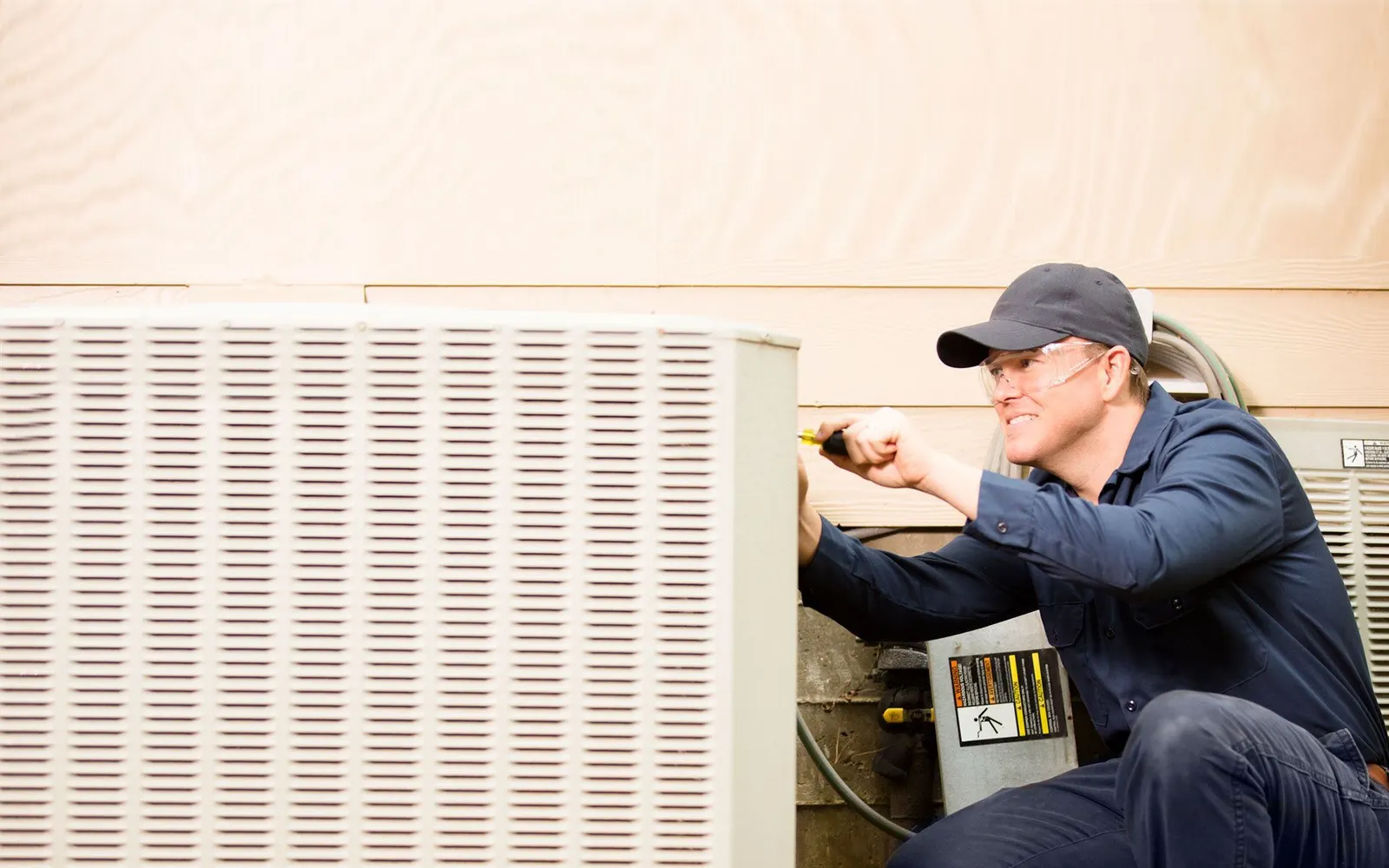
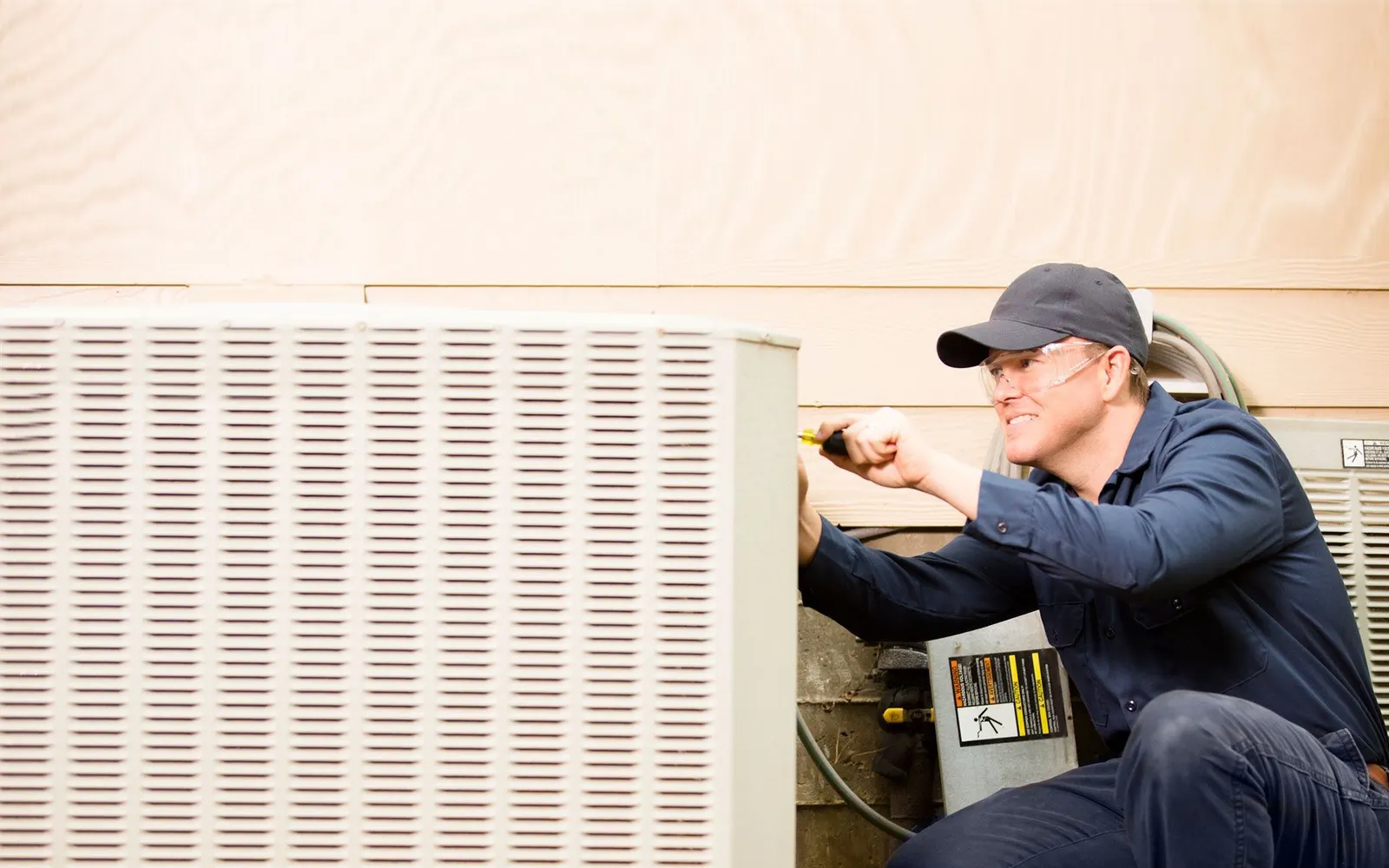

Ready for Expert Heating Repair & Service in Southern Illinois?
Ask Smith for an estimate or service details in Steeleville, IL.