
AC Maintenance & Tune-Up in Southern Illinois
Is your AC running nonstop but the house never cools down? We diagnose coil issues, restore refrigerant levels, and tune your system for reliable comfort.
Is Your Air Conditioner Running All Day But Never Getting Your Home Cool Enough?
Is your AC running constantly but the house stays warm, your power bill climbing every month with no explanation, or the airflow from your registers so weak you barely feel it? These aren't minor annoyances — they're signs your system is struggling and wasting energy while it fails to keep you comfortable. Smith Heating, Air & Sheet Metal handles tune-ups across Southern Illinois for homeowners who know something's wrong but can't see what's happening inside the equipment, and we're ready to help you figure it out today.
Warning Signs Your AC Needs a Maintenance Visit
The System Runs Constantly But the House Stays Warm
Your thermostat says 72, the outdoor unit hums all afternoon, and by evening the house is still 76 or 77 degrees. Registers blow air but it's not cold enough to make a difference. This means your refrigerant charge is low, your evaporator coil is too dirty to absorb heat efficiently, or your condenser coil outside is so clogged it can't reject heat into the outdoor air — the compressor and blower are working, but the actual cooling process is compromised at maybe sixty percent capacity.
Weak Airflow From Some or All Registers
You put your hand in front of a register and barely feel anything, upstairs rooms stay stale, and changing the filter twice already this season didn't help. The evaporator coil is icing up due to low airflow or low refrigerant, the blower wheel is coated in dust and can't move the rated CFM, or your ductwork has separated somewhere and is dumping conditioned air into your attic or crawlspace. Sometimes it's a failing blower capacitor — the motor runs but not at full speed, starving your system of the airflow it needs to function.
The Outdoor Unit Struggles to Start or Makes Clicking Sounds
When the thermostat calls for cooling, you hear click... click... click from outside, then the unit finally kicks on with a hard jolt, or it hums for a few seconds before the fan starts spinning. The contactor is pitted and corroded, the start capacitor is weak and can't provide the voltage spike the compressor needs, or the fan motor bearings are dry and binding. These components give you warning before they fail completely, but a compressor that struggles to start is drawing locked-rotor amperage every time — massive current that creates heat and will eventually burn out the contactor or damage the compressor windings.
Higher-Than-Normal Electric Bills With No Change in Usage
Your power bill jumped thirty or forty dollars compared to last summer, but you're not running the air conditioner any more than you did last year — same thermostat setting, same schedule, same house. Dirty coils force the compressor to work harder, low refrigerant increases run time, a failing capacitor makes the blower pull more amperage, or duct leaks mean the system has to run longer to cool the same space. You're paying for every wasted watt while the underlying cause gets worse, and most homeowners recover the cost of a tune-up in reduced electric bills within a single season.
Musty or Stale Odors When the AC Runs
When the air conditioner kicks on, you smell something damp or moldy from the vents — not overwhelming, but noticeable, especially in the first few minutes of a cycle. The evaporator coil or drain pan is harboring mold because moisture isn't draining properly, the coil stays wet between cycles, or organic debris stuck to the wet coil is feeding microbial growth. You're circulating mold spores through your house every time the blower runs, and a clogged drain will eventually overflow and cause water damage to ceilings, walls, or flooring.
The System Short-Cycles (Turns On and Off Rapidly)
The air conditioner runs for five or ten minutes, shuts off, then kicks back on a few minutes later — it never runs a full cycle, the house cools unevenly, and the constant starting and stopping is hard on your nerves and harder on the equipment. Refrigerant is overcharged or undercharged, the thermostat is failing or located in a spot that doesn't represent the whole house, or the evaporator coil is freezing intermittently due to airflow restriction and forcing the system to shut down on the freeze stat. Short-cycling is brutal on the compressor — every start cycle draws high amperage and creates mechanical stress, and you'll shorten the compressor's life by years if the root cause isn't corrected.
Common Causes of AC Performance Problems
Neglected Coil Maintenance in Humid Southern Illinois Summers
The outdoor condenser coil collects cottonwood seeds, grass clippings, dust, and pollen — especially in Southern Illinois where humidity keeps everything damp and sticky — while the indoor evaporator coil accumulates dust, pet dander, and biological growth because it's wet every time the system runs. Most homeowners change the filter but never see the coils, so the buildup happens invisibly over years, and by the third or fourth season without professional cleaning the coils are fouled enough to cut capacity by twenty to thirty percent. A real tune-up includes pulling the access panels, inspecting both coils, and cleaning them with coil cleaner and water — not just a brush or compressed air, which pushes debris deeper into the fins.
Refrigerant Leaks That Develop Over Time
Refrigerant doesn't wear out — if the charge is low, there's a leak somewhere in the system, usually a slow pinhole in the evaporator coil due to formicary corrosion, a vibration crack in a brazed joint, or a Schrader valve that's seeping. The system loses a few ounces per season, efficiency drops gradually, and the homeowner doesn't notice until the house won't cool anymore. During a tune-up, we check the refrigerant charge using superheat or subcooling measurements, and if the charge is low we use a leak detector to find the source — small leaks can often be repaired by brazing or replacing a valve, but if the evaporator coil is leaking and it's original to a fifteen-year-old system, we'll have a conversation about whether a repair makes sense or whether you're better off replacing the whole unit.
Electrical Component Wear (Contactors, Capacitors, Relays)
Contactors, capacitors, and relays are wear items designed to handle thousands of cycles, but they don't last forever — every time the contactor closes it creates a small arc that pits the contacts, and every time a capacitor discharges to start the compressor or blower it degrades slightly. In Southern Illinois, where air conditioners run hard from May through September, a capacitor rated for 50,000 cycles might hit that number in five or six seasons. A tune-up includes testing capacitors with a multimeter and inspecting contactors for pitting, discoloration, or resistance — if a capacitor is weak or a contactor is worn, we replace it on the spot, because these inexpensive parts prevent expensive failures.
Ductwork Leaks and Poor Insulation in Unconditioned Spaces
Ductwork in Southern Illinois homes often runs through attics, crawlspaces, or uninsulated basements where flex duct connections come loose over time, sheet metal joints separate due to building settlement or vibration, and insulation around ducts degrades or was never installed properly. When conditioned air leaks into a 130-degree attic or a damp crawlspace, you lose twenty to forty percent of your cooling capacity before the air ever reaches the living space. A thorough tune-up includes a visual inspection of accessible ductwork, and if we find obvious leaks — disconnected boots, torn flex, or open seams — we'll seal them with mastic, and if the ductwork is uninsulated in an unconditioned space we'll recommend adding duct wrap or encapsulation.
Thermostat Location or Calibration Issues
A thermostat located in a sunny hallway, near a heat-producing appliance, or in a room that doesn't represent the rest of the house will cause the air conditioner to run erratically — it might shut off while the bedrooms are still warm, or run constantly trying to cool a space that's always hotter than the rest of the house. Older mechanical thermostats drift out of calibration over time, and newer digital thermostats can fail due to battery issues, wiring problems, or software glitches. During a tune-up, we verify that the thermostat is reading accurately using a separate thermometer and that it's located in a representative area of the home, and if it's in a bad spot we'll recommend relocating it or installing a remote sensor.
What to Expect During the Service Visit
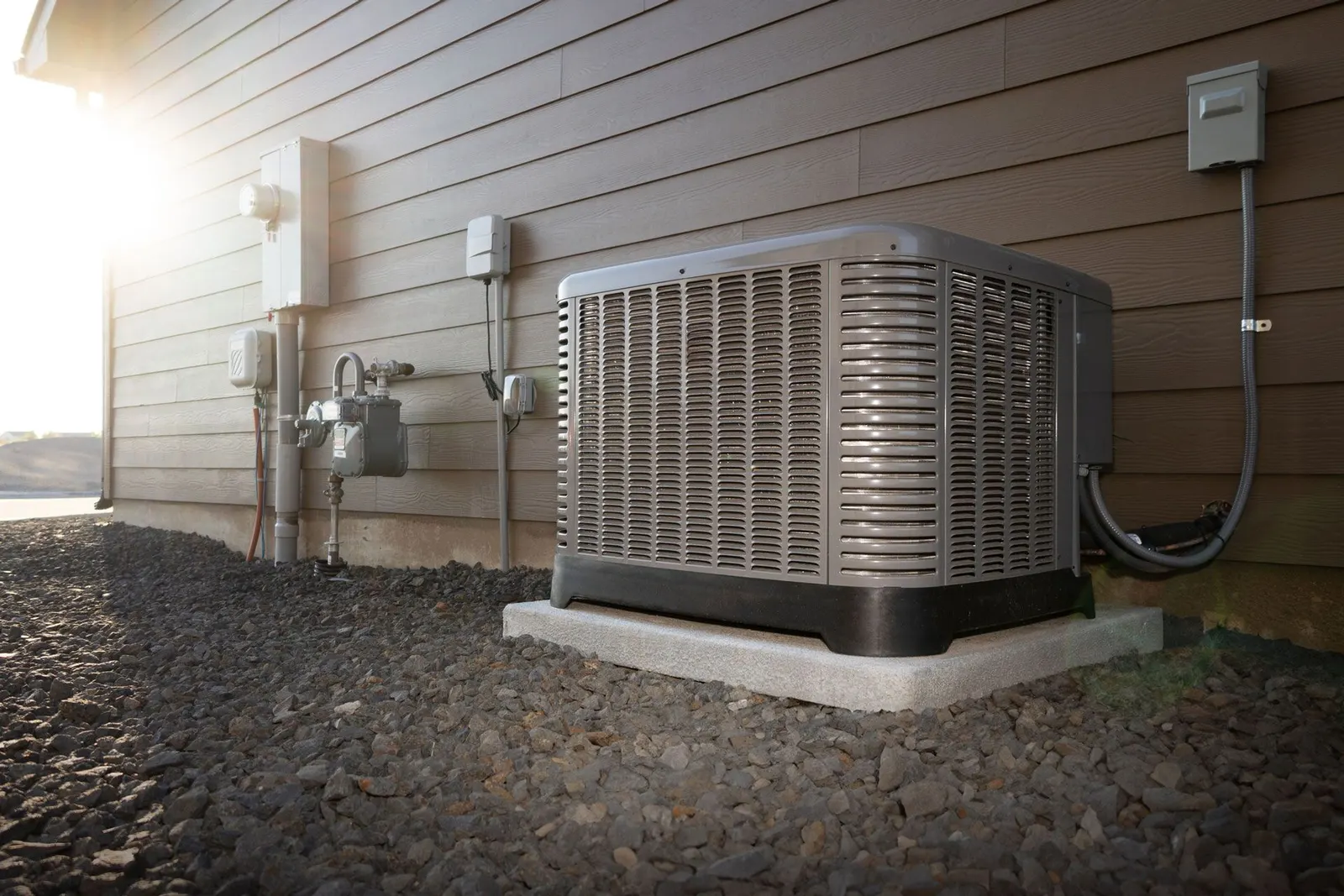
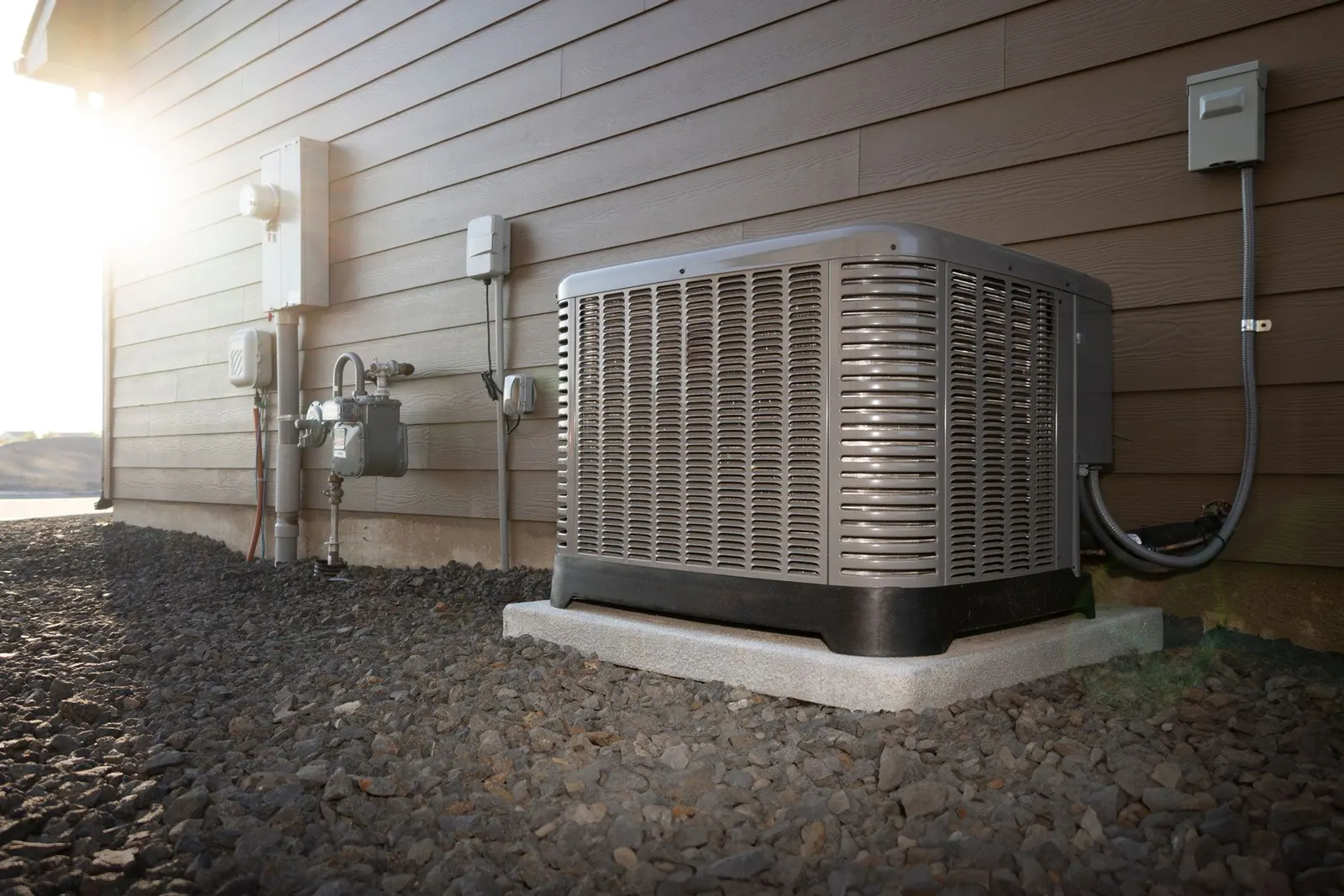
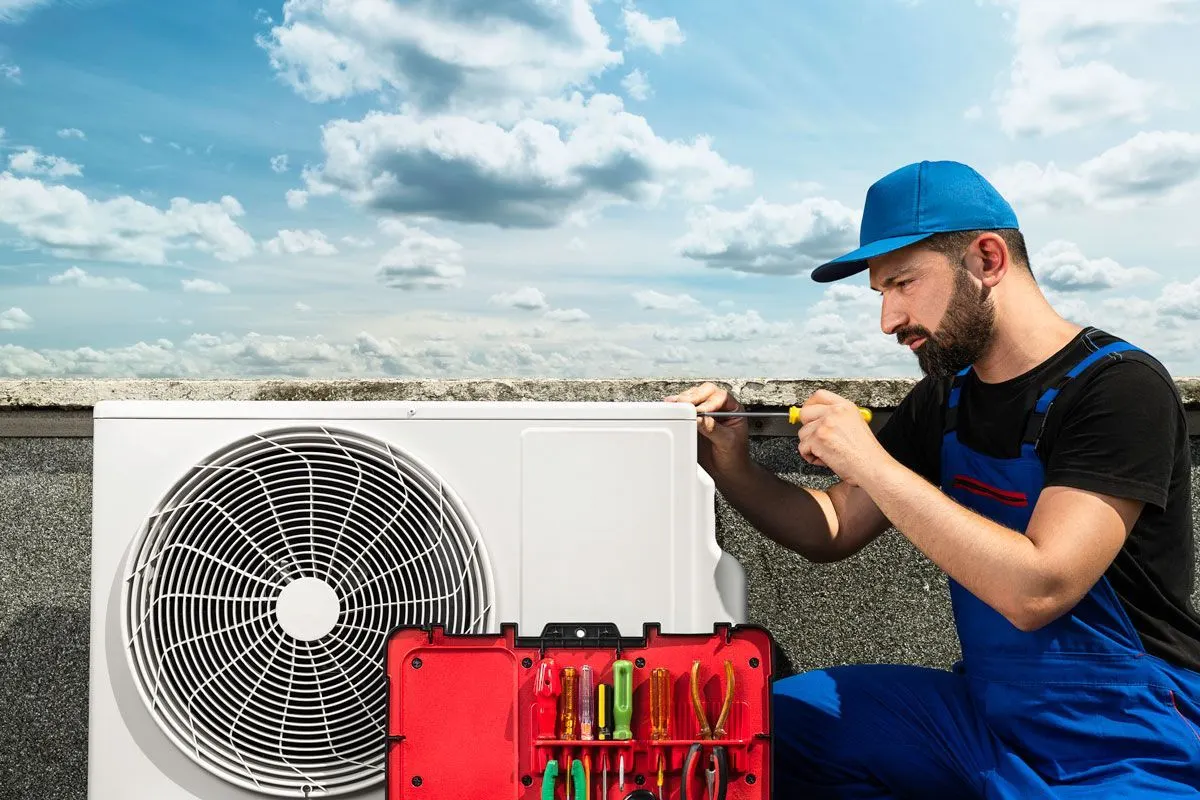
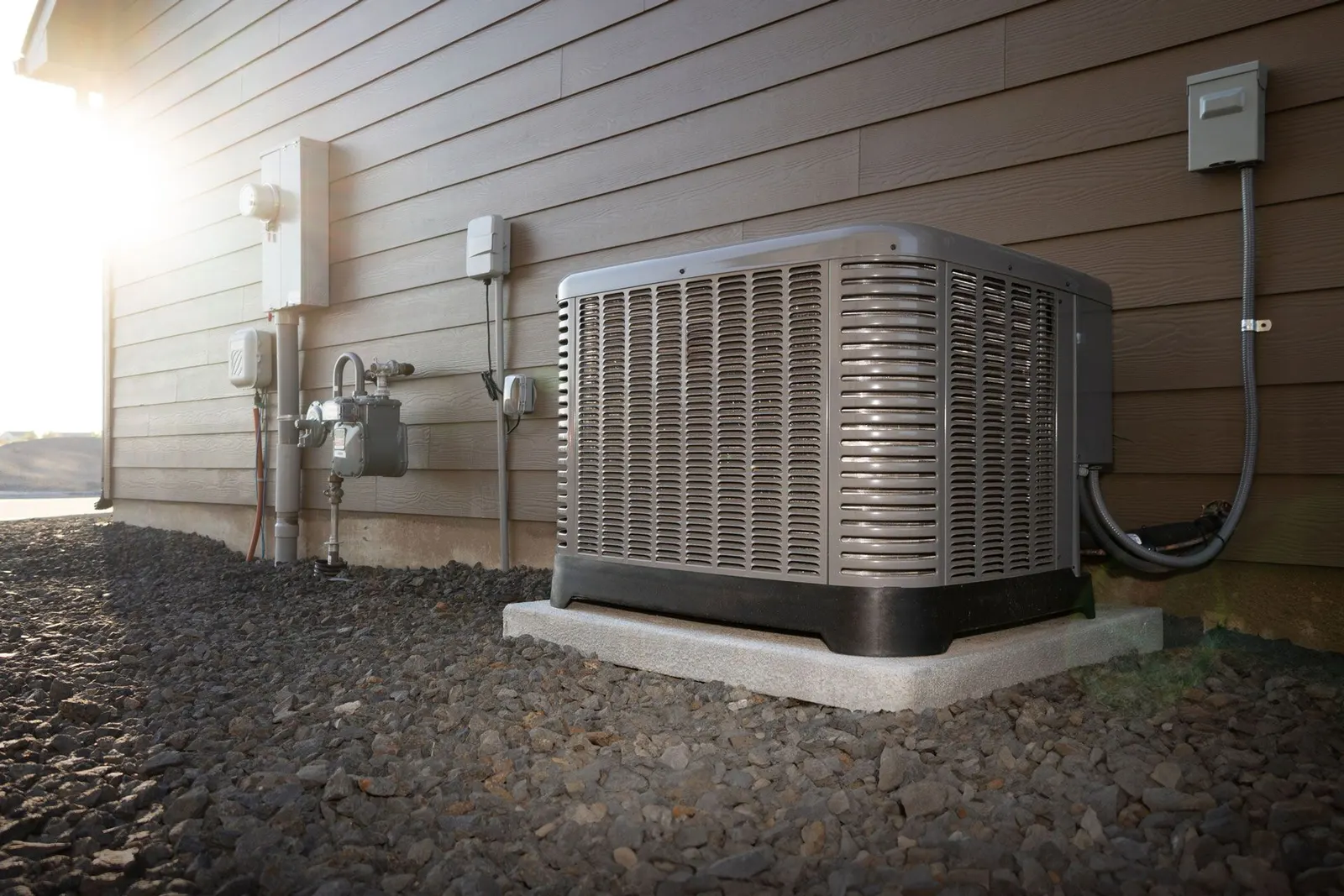
When a Smith Heating, Air & Sheet Metal technician arrives for a maintenance visit, you're getting a diagnostic inspection and a tune-up, not a quick filter swap. We start outside at the condenser unit — we pull the disconnect, remove the top panel, and inspect the contactor, capacitor, and compressor terminals, check the fan motor bearings, measure the amperage draw on both the compressor and the fan, and verify that the unit is pulling the correct voltage. Then we clean the condenser coil with coil cleaner and a low-pressure wash to remove the cottonwood fuzz, pollen, and dust that's blocking airflow, straighten any bent fins, and make sure the unit is level and the pad isn't settling.
Inside, we pull the blower door and inspect the evaporator coil — if it's accessible we'll clean it, and if it's a cased coil we can't reach without cutting sheet metal we'll note that and recommend a deep cleaning if the system is showing symptoms of restriction. We pull the blower wheel and check for dust buildup that can cut airflow by thirty percent, test the blower capacitor, check the limit switches, and make sure the condensate drain is clear by pouring a little bleach or vinegar down the drain line to prevent algae growth. We check the refrigerant charge using either superheat or subcooling depending on whether the system has a fixed orifice or a TXV, and if the charge is off we investigate why — we don't just add refrigerant and leave.
Before we leave, we run the system through a full cycle and make sure everything is operating as designed. We'll give you a written summary of what we found, what we did, and any recommendations for repairs or improvements — if we found something that needs attention like a failing capacitor, a low charge, or a dirty coil that needs a deep clean, we'll explain what it means, what it costs, and what happens if you wait. No pressure, just information.
AC Maintenance & Tune-Up Coverage Across Southern Illinois
We serve homeowners throughout the region who understand that regular maintenance is the difference between an air conditioner that lasts twelve years and one that lasts twenty.
Southeastern Missouri: Perryville, MO
Related Services
If your air conditioner is more than ten years old and we're finding multiple issues during a tune-up — a refrigerant leak, a failing compressor, or a coil that's corroded beyond cleaning — it's worth having a conversation about AC Installation & Replacement instead of pouring money into repairs. And if something breaks between maintenance visits, our AC Repair & Service covers the emergency fixes that can't wait for a scheduled tune-up.
Let's Get Your System Running Right
An air conditioner that's running but not cooling right isn't going to fix itself. The coil that's fouled today will be worse next month, the capacitor that's testing weak will fail when you need the system most, and the refrigerant that's low is leaking somewhere — topping it off without finding the leak just kicks the problem down the road.
Smith Heating, Air & Sheet Metal handles maintenance the way it's supposed to be done — not a fifteen-minute filter change, but a real inspection and tune-up that finds problems before they become emergencies. If your air conditioner isn't performing the way it should, reach out to us and we'll get a truck out, figure out what's going on, and make sure your system is ready for the rest of the season.
Ready for Expert AC Maintenance & Tune-Up in Southern Illinois?
Ask Smith for an estimate or service details in Steeleville, IL.