
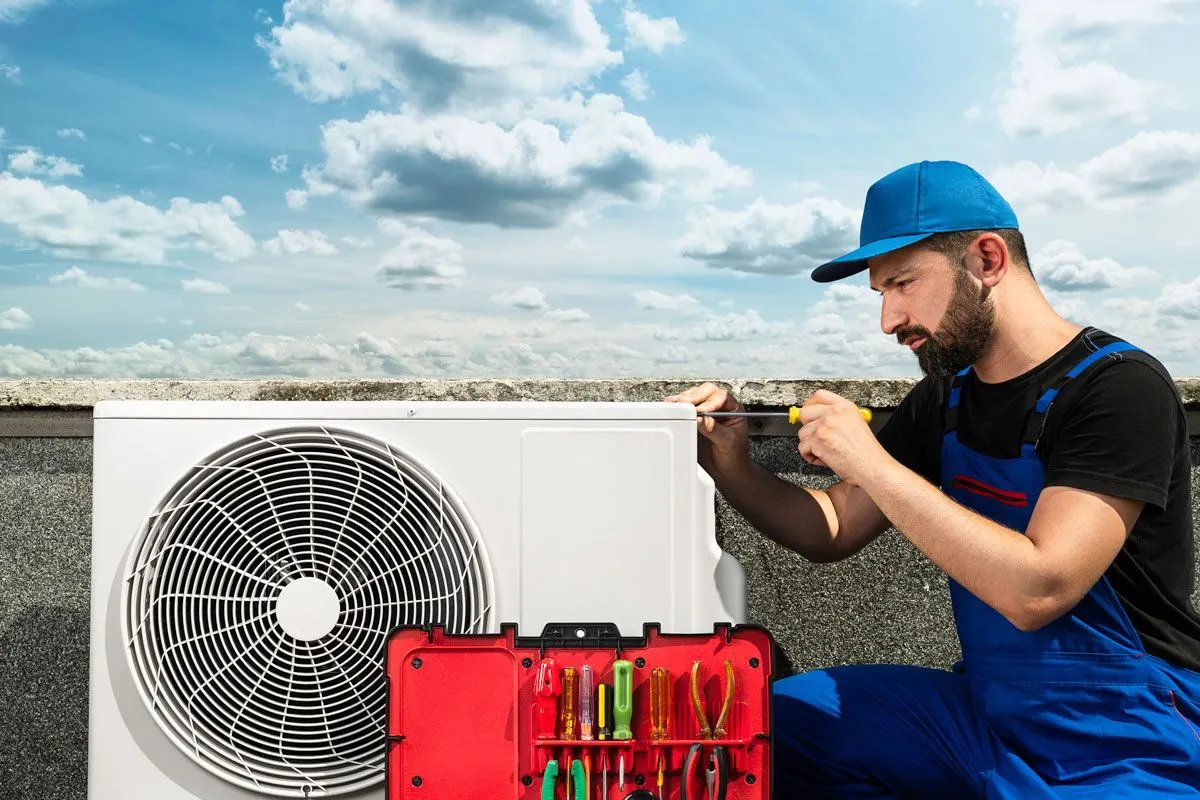
AC Installation & Replacement in Southern Illinois
Is your AC over 15 years old and costing hundreds in repairs? We provide honest replacement estimates and install systems sized right for your home.
Is Your AC Over 15 Years Old and Costing You Hundreds in Repairs Every Summer?
Is your air conditioner running constantly but barely keeping your home below 80 degrees, or are you staring at a $600 repair estimate wondering if it's time to just replace the whole system? These are signs that your AC has reached the end of its cost-effective lifespan and continuing to patch it together is throwing money away. Smith Heating, Air & Sheet Metal provides honest AC replacement estimates across Southern Illinois — we'll calculate what your home actually needs and give you options that fit your budget, not a sales pitch. We're ready to help you make the right decision for your home and budget.
Warning Signs Your AC System Needs Replacement
Your Unit Is Over 15 Years Old and Repairs Are Adding Up
You're calling for service every summer now — sometimes twice — and each visit costs between $400 and $800. The technician keeps saying "we can fix this, but..." and you're starting to keep a mental tally of what you've spent in the last three years. AC systems have a functional lifespan of 12-17 years in Southern Illinois, where summer humidity and temperature swings work the compressor harder than in milder climates. After year 12, you're not just fixing wear items anymore — you're replacing major components like compressors, condenser coils, and blower motors that cost 40-60% of a new system. Every repair buys you another season, maybe two, but you're paying premium prices for parts that are supporting an aging system with declining efficiency.
Your Energy Bills Have Climbed Even Though Your Usage Hasn't Changed
Your summer electric bills used to hover around $180-$220, but now they're consistently $300-$400 and you haven't changed your thermostat settings or added new appliances. The AC runs longer cycles, and the house doesn't feel any cooler for all that extra runtime. Efficiency degrades as components wear — a compressor that's losing compression has to run longer to move the same amount of heat, refrigerant leaks mean the system can't absorb heat effectively, and ductwork that's settled or separated is dumping cold air into your attic or crawlspace. A 12-year-old AC running at 60% efficiency costs you roughly $800-$1,200 extra per cooling season compared to a new high-efficiency system.
Some Rooms Never Get Cool No Matter How Long the System Runs
Your bedroom stays 6-8 degrees warmer than the rest of the house, and you've closed vents in other rooms trying to force more air upstairs or to the back bedrooms without success. The thermostat is in the hallway and reads 74, but your bedroom thermometer says 81 at bedtime. This is usually a combination problem: an undersized or aging system that can't handle the load, ductwork that's poorly designed or leaking, and possibly insufficient return air. You can't fix undersizing with repairs — if your system was never big enough for your home's actual cooling load, no amount of maintenance will make it work.
The System Cycles On and Off Every Few Minutes
The AC kicks on, runs for three to five minutes, shuts off, then starts again ten minutes later without ever running a full cycle. The house feels humid and clammy even when the thermostat says it hit the set temperature, and you hear the compressor clicking on and off all evening. Short cycling usually means the system is oversized for the space, the compressor is failing, or there's a refrigerant issue causing pressure imbalances. Short cycling is brutal on the compressor because every startup draws huge current and creates mechanical stress, wearing out the most expensive component in the system while never actually achieving comfortable conditions.
You're Hearing Grinding, Squealing, or Banging Noises from the Outdoor Unit
There's a metal-on-metal grinding sound coming from the condenser outside, or a high-pitched squeal that starts when the compressor kicks on, or a banging rattle that wasn't there last summer. Grinding is usually a failing compressor bearing or motor bearing, squealing is often a belt or failing fan motor, and banging can be a loose part or debris in the fan housing. A compressor that's grinding will seize, and when it does, metal shavings circulate through the refrigerant lines and contaminate the whole system — at that point you're not just replacing the compressor, you're flushing lines, replacing the filter-drier, and possibly replacing coils. On a system that's 10+ years old, the repair cost approaches or exceeds replacement cost.
Your Home Feels Humid Even When the AC Is Running
The air feels sticky, towels don't dry, and you see condensation on windows or feel that clammy feeling on your skin even though the thermostat says 74. AC systems dehumidify by running long enough for moisture to condense on the evaporator coil and drain away, but if the system is oversized, short cycling, or running with low airflow, it cools the air without removing humidity. In Southern Illinois, where summer humidity regularly hits 70-80%, an AC that can't dehumidify makes your home feel warmer than it actually is and creates mold risk.
Common Causes Behind AC Replacement Needs
The System Was Undersized or Poorly Matched from the Start
A lot of homes in Southern Illinois have AC systems that were sized by rule-of-thumb instead of actual load calculations — "500 square feet per ton" or "just match what was there before." We pull up to 1,600-square-foot homes with 2-ton units that might've been adequate in 1995 but can't handle today's expectations for comfort, especially in homes with additions, finished attics, or updated insulation that changed the thermal envelope. Proper replacement starts with a Manual J load calculation where we measure your home's square footage, insulation levels, window types, orientation, and occupancy to determine the actual cooling load, then size the system to that load and match the indoor and outdoor components correctly.
Aging Equipment Has Reached the End of Its Cost-Effective Lifespan
AC systems wear out — compressors lose compression, coils corrode, refrigerant leaks develop, motors burn out. In Southern Illinois, where units run hard from May through September and sit idle in winter, the typical lifespan is 12-17 years depending on maintenance and installation quality. After year 12, you're in the zone where major component failures start happening, and major components cost $1,500-$2,500 to replace. If your system is 14 years old and the compressor fails, you're spending $2,200 to repair a system that might last three more years, or you're putting that money toward a new system with a 10-year warranty.
Refrigerant Type Is Obsolete and Repairs Are Becoming Prohibitively Expensive
If your AC was installed before 2010, it likely uses R-22 refrigerant, which was phased out of production in 2020 due to environmental regulations. R-22 is still available as reclaimed supply, but it costs $80-$150 per pound compared to $10-$20 per pound for modern refrigerants. A system that needs 6 pounds of R-22 to recharge after a leak repair is looking at $500-$900 just for refrigerant, plus labor, plus fixing the leak. Replacement with a modern system using R-410A or newer refrigerants is the only long-term solution because you can't convert an R-22 system reliably.
Ductwork Was Never Designed to Support Proper Airflow
We see this constantly in homes built in the '60s through '90s: ductwork that's undersized, poorly sealed, or routed through unconditioned attics where it gains heat. A 3-ton AC needs roughly 1,200 CFM of airflow, but we'll find 6-inch flex duct trying to feed a master bedroom or return grilles that are half the size they should be. The AC can't move air effectively, so it can't cool effectively. A proper AC replacement often includes ductwork modification or replacement — we'll test airflow, check for leaks with a duct blaster if needed, seal connections with mastic, insulate ducts in unconditioned spaces, and resize runs that are choking off airflow.
Efficiency Standards and Technology Have Improved Dramatically
A 10 SEER AC from 2005 was code-compliant when it was installed, but today the minimum is 14 SEER, and high-efficiency systems run 16-20 SEER with variable-speed compressors and smart controls that adjust output to match load in real time. The efficiency gap between your old system and a modern replacement is 40-50%, which translates directly to lower operating costs. Homeowners don't replace because the old system is broken — they replace because the monthly savings and improved comfort pay for the investment over 7-10 years.
What to Expect During Your AC Replacement
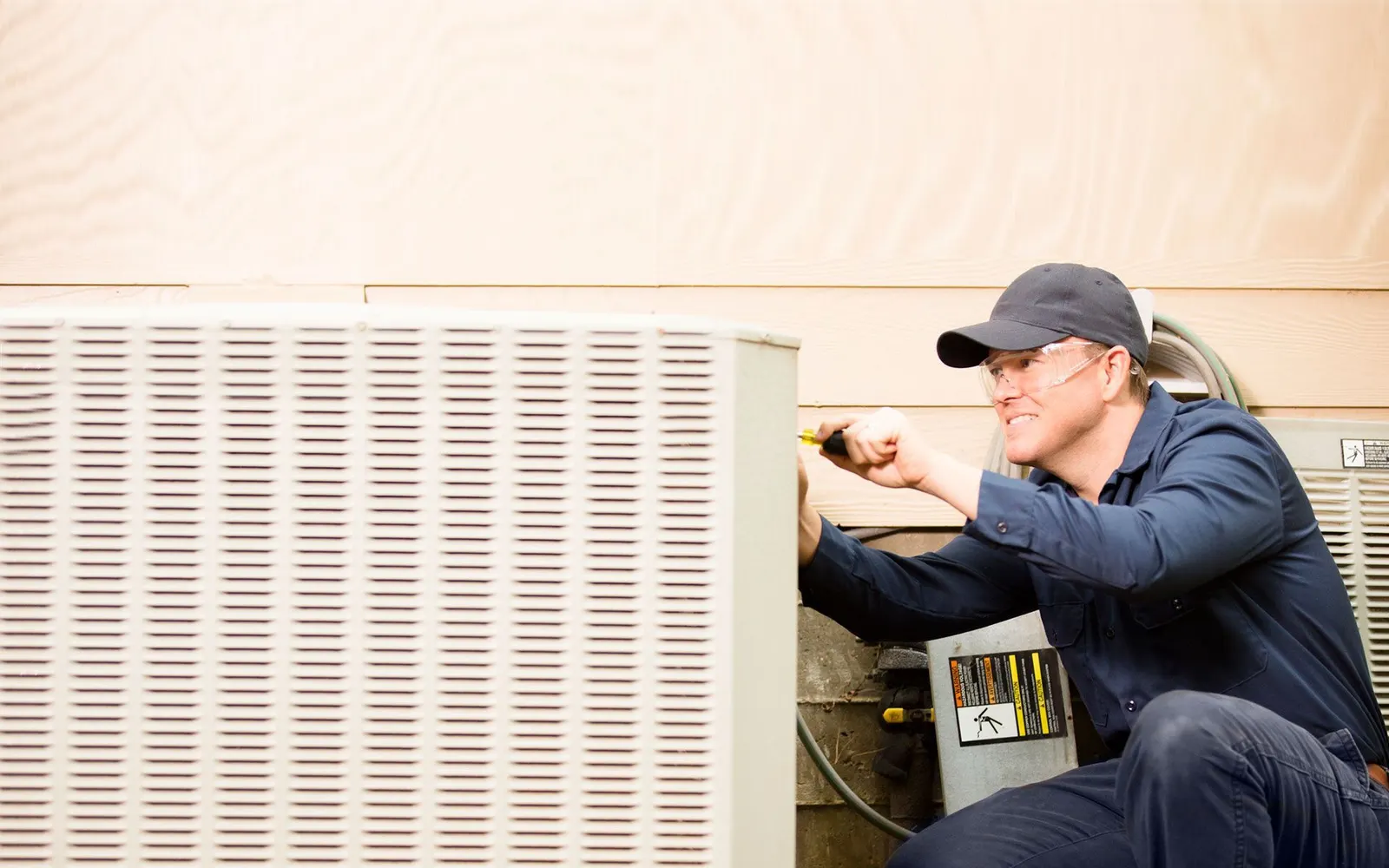
When you call Smith Heating, Air & Sheet Metal for an AC replacement estimate, we're coming out to answer one question: what does your home actually need, and what will it cost? The initial visit takes 45-90 minutes depending on your home's size and complexity. We're not just looking at your old AC — we're measuring your home, checking insulation levels, counting windows, noting which direction they face, and asking about hot spots or comfort problems. We'll inspect your existing ductwork, check the electrical service to make sure it can handle a new system, and look at the installation location to identify any access or clearance issues.
The load calculation is the foundation of a good replacement. We're plugging your home's measurements into Manual J software to calculate the actual cooling load — not guessing, not using rules of thumb. That tells us whether you need a 2-ton, 2.5-ton, 3-ton, or larger system. We'll also identify ductwork issues that need addressing and recommend modifications if your existing ducts can't support the new system's airflow requirements.
The estimate breaks down equipment options, labor, ductwork modifications if needed, electrical upgrades if needed, permits, and warranty terms. We'll present 2-3 options at different efficiency levels so you can choose based on your budget and goals. We'll explain SEER ratings, what variable-speed means, and what the payback period looks like on higher-efficiency equipment — we don't push the most expensive option, we explain the trade-offs and let you decide what makes sense for your home.
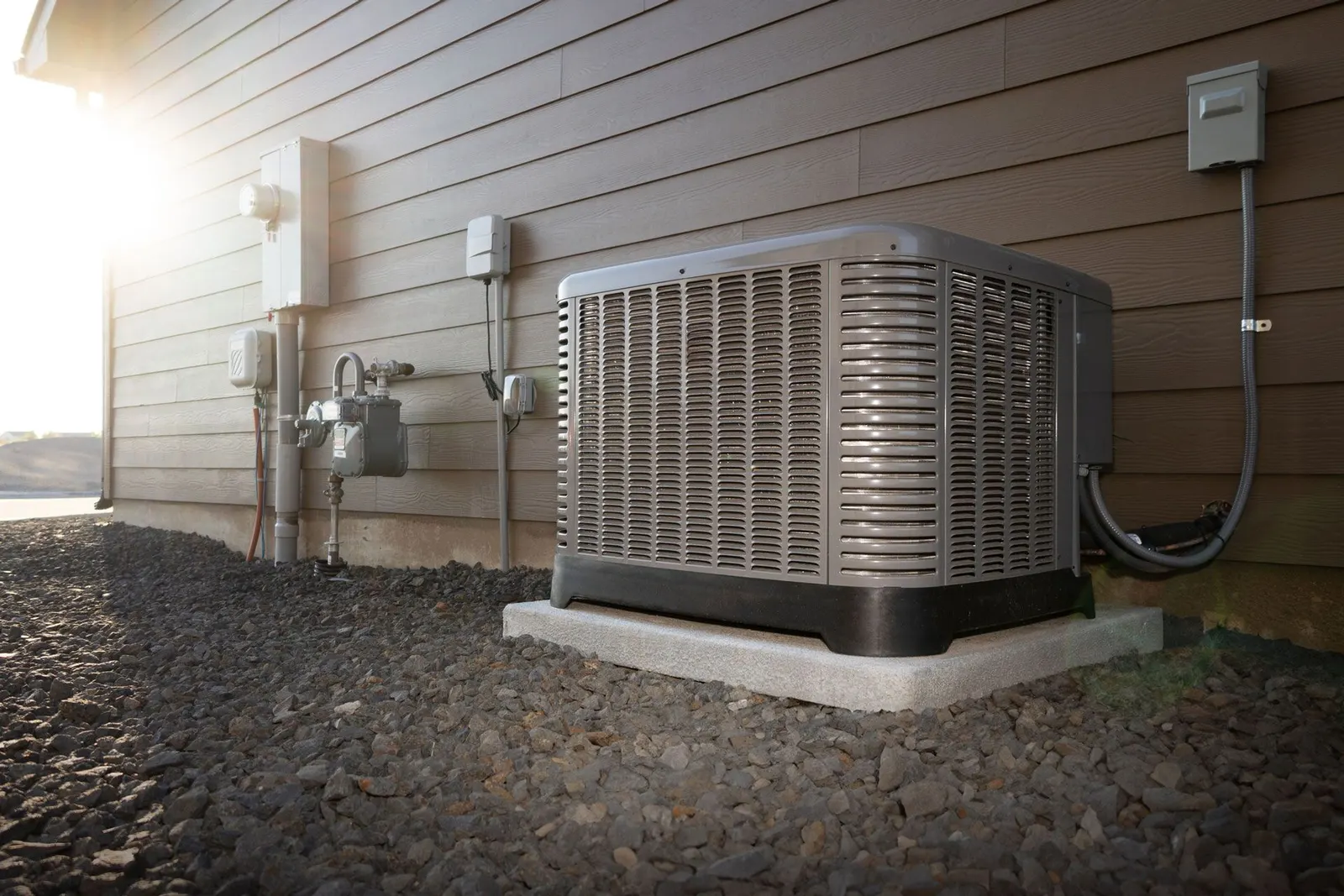
Installation day typically takes 6-10 hours for a straightforward replacement, longer if we're modifying ductwork or upgrading electrical service. We'll remove the old system, install the new outdoor condenser on a level pad, mount the indoor coil or air handler, run new refrigerant lines if the old ones are corroded, connect to existing ductwork, wire everything, vacuum the lines to remove moisture, charge the system with the correct amount of refrigerant, and test operation. We'll check airflow at every register, verify the system is hitting target temperatures, and walk you through the new thermostat controls before we leave.
AC Installation & Replacement Coverage Across Southern Illinois
We handle installations across the region with the same commitment to proper load calculations and quality workmanship, whether we're working in a small ranch or a two-story home.
Southeastern Missouri: AC Installation & Replacement — Perryville, MO
Related Air Conditioning Services
Once your new AC is installed, it needs regular maintenance to protect your investment and keep it running efficiently. Our AC Maintenance & Tune-Up service catches small issues before they become expensive repairs and keeps your warranty valid. And if something does go wrong outside of the installation warranty period, our AC Repair & Service team handles everything from refrigerant leaks to failed capacitors — though with a properly installed system, those calls should be rare for the first 7-10 years.
Ready to Replace Your AC System?
You didn't wake up this morning planning to replace your AC, but if you're standing in a hot house trying to decide whether one more repair is worth it, you already know the answer. The system has been telling you for months, maybe years, that it's done. We'll come out, measure your home properly, calculate the actual load, and give you a straight answer about what it'll take to cool your house the way it should be cooled. No pressure, no gimmicks — just a clear estimate and options that fit your budget. Contact us today and let's get your home comfortable again.
Ready for Expert AC Installation & Replacement in Southern Illinois?
Ask Smith for an estimate or service details in Steeleville, IL.