Heating Installation & Replacement in Southern Illinois
Is your furnace cycling nonstop or refusing to light when you need it most? We design, install, and stand behind every job from day one.
Is Your Furnace Costing You a Fortune in Repairs, Leaving Rooms Cold While Others Overheat, or Refusing to Light on the Coldest Mornings?
These aren't minor annoyances you can fix with a thermostat adjustment or a new filter — they're signs your heating system has reached the end of its useful life and needs professional replacement. Smith Heating, Air & Sheet Metal installs correctly sized, efficiently running furnaces across Southern Illinois, and we're ready to assess your system, explain your options, and get your heat back on before you lose another night's sleep.
Warning Signs Your Furnace Needs Replacement
Your Heating Bills Jumped Without Explanation
Your gas or electric bill spiked 40% compared to last winter, even though you're keeping the thermostat at the same setting. The furnace runs constantly — you hear it cycling on and off every twelve minutes — but the house never quite gets warm. That means the heat exchanger is compromised, the blower motor is losing efficiency, or the burners are caked with carbon deposits that prevent complete combustion, and you're burning fuel without getting heat.
The Furnace Cycles On and Off Every Few Minutes
The furnace fires up, runs for three or four minutes, shuts off, then fires up again a few minutes later — it never settles into a steady burn. This short-cycling happens when the furnace is oversized for the house, the heat exchanger is clogged or cracked, or the blower can't move enough air because the motor bearings are shot. Every component wears out faster under constant stop-start stress, and if the root cause is a cracked heat exchanger, you're risking carbon monoxide infiltration every time the furnace fires.
You Smell Gas, Burning Dust, or Something Metallic When the Furnace Runs
There's a smell that wasn't there before — a faint rotten-egg odor near the furnace, a sharp burnt-plastic smell that fills the basement when the blower kicks on, or a metallic scent like hot metal and oil that lingers for twenty minutes after shutdown. Gas smells mean a leak at the valve or a cracked heat exchanger, burning smells can be insulation melting off failing wiring, and metallic smells usually point to a blower motor running so hot the bearings are disintegrating. Any new, persistent smell is your furnace telling you it's breaking in a dangerous way.
The Furnace Is Over 18 Years Old and Needs Frequent Repairs
You've called for service three times in the last two years — a capacitor, a control board, a pressure switch, a blower motor. The repair bills aren't massive individually, but they're adding up, and the technician keeps saying "this is a really old unit." Furnaces don't die all at once — they fail one component at a time, and after 15 to 20 years every part is near the end of its design life. At a certain point you're just funding a series of repairs on a system that will need full replacement within a year anyway.
The Blower Runs But No Heat Comes Out, or the Furnace Won't Ignite
You hear the blower motor spinning and air is moving through the vents, but it's cold air. Or the furnace tries to light, you hear the clicking of the igniter, but the burners never catch and the whole system shuts down after thirty seconds. If the blower runs but there's no heat, the burners aren't lighting — could be a failed igniter, a bad gas valve, or a pressure switch that's not closing because the inducer motor is shot. A furnace that won't light leaves you with no heat, and if it's multiple failing components on an old furnace, you're throwing good money after bad.
Uneven Heating Throughout the House
The living room is 70 degrees, the bedrooms are 62, and some rooms never get warm no matter how long the furnace runs. Uneven heating usually points to undersized or failing ductwork that can't distribute air properly, a furnace that's the wrong size for the house, or a blower that's not moving enough air because the motor is dying. You can't fix this with thermostat adjustments — if the furnace is the wrong size, you'll never get balanced comfort until you replace it with a properly sized unit.
Common Causes That Lead to Furnace Replacement
The Furnace Has Simply Reached the End of Its Service Life
Furnaces are designed to last 15 to 20 years with proper maintenance, but after that the heat exchanger has been heated and cooled through tens of thousands of cycles, the blower motor bearings are worn, and the igniter has sparked until the element is brittle. Even with filter changes and annual tune-ups, metal fatigues and components wear out. Once a furnace crosses the 18-year mark and starts needing multiple repairs per season, the cost of keeping it running exceeds the cost of installing a new system that will cut your heating bills, run quieter, and heat more evenly.
A Cracked or Failing Heat Exchanger
The heat exchanger separates combustion gases from the air that gets blown into your house, and it expands when it heats up and contracts when it cools down — over and over, every cycle. After 15 or 20 years, hairline cracks develop, sometimes caused by poor airflow from dirty filters or undersized ductwork that makes the exchanger run hotter than designed. A cracked heat exchanger is not repairable — it's a safety issue and a replacement-only situation. We don't patch heat exchangers, we don't run furnaces with confirmed cracks, we pull the old unit and put in a new one that's safe.
The Previous Furnace Was the Wrong Size for the House
A lot of older furnaces were installed using outdated rules of thumb — "100 BTUs per square foot" or "just match the old unit" — without actually calculating the house's heat loss. The result is a furnace that's oversized, which causes short-cycling, uneven heating, and premature wear, or undersized, which means it runs constantly and never quite catches up on the coldest days. Proper sizing uses a Manual J load calculation that accounts for insulation, windows, air leakage, and ductwork, and sizes the furnace to match the actual heating load. A correctly sized furnace runs longer, steadier cycles and lasts longer because it's not constantly starting and stopping.
Poor Installation or Ductwork Issues from the Original System
A furnace is only as good as the ductwork it's connected to — if the ducts are undersized, leaking, or poorly designed, even a brand-new furnace will struggle to heat the house evenly. We see this all the time in older homes with ductwork that was added piecemeal over decades, or new construction where the HVAC was an afterthought and the ducts were sized to fit the available space instead of the heating load. Leaky ductwork in an unconditioned crawlspace can waste 30% of your heated air before it ever reaches the living space. Sometimes it's a furnace replacement, sometimes it's a furnace replacement plus ductwork modifications — we assess the ductwork during the estimate and tell you up front if the ducts need attention.
Deferred Maintenance and Neglect Over Years
Furnaces need annual maintenance — filter changes, blower cleaning, burner inspection, flame sensor cleaning, and safety checks. When that doesn't happen, dust clogs the blower, the burners get caked with carbon, the flame sensor gets coated and causes nuisance shutdowns, and the heat exchanger runs hotter than it should because airflow is restricted. If the neglect has led to a failed heat exchanger, a burnt-out blower motor, or a control board that's been cooked by overheating, you're usually looking at replacement rather than repair. The damage is cumulative, and we can't undo years of deferred maintenance with one service call.
What to Expect During the Service Visit
When you call Smith Heating, Air & Sheet Metal for a heating installation or replacement, we start by looking at your existing furnace and asking questions about age, problems, and how the heating has been performing. Then we measure the house — we do a Manual J load calculation that accounts for insulation levels, window types, air leakage, ductwork layout, and how the house actually loses heat. That tells us what size furnace you need, and it's often smaller than the old one.
While we're there, we check the ductwork for leaks, measure duct sizes, inspect the return-air pathways, and make sure the system can actually distribute the air the new furnace will produce. If the ducts are undersized, leaking, or poorly designed, we tell you — sometimes a furnace replacement is enough, sometimes you need ductwork modifications to get the comfort and efficiency you're paying for. We recommend a furnace that matches your heating load, your budget, and your expectations, and the estimate includes the furnace, the labor, any ductwork modifications, new thermostat if needed, permits, and hauling away the old unit.
Installation usually takes one full day, sometimes a day and a half if we're modifying ductwork or working in a tight crawlspace. We shut down and disconnect the old furnace, pull it out, inspect the gas line and flue and electrical connections, set the new furnace, connect it to the ductwork, run new flue piping if needed, wire it to the thermostat and electrical panel, and test the gas connections for leaks. Then we fire it up, check the combustion, measure the airflow, and make sure the system is heating evenly and safely. Before we leave, we walk you through the new system — where the filter goes, how often to change it, the thermostat settings, what's normal and what's not — and we leave you with the manual, the warranty paperwork, and our number.
Heating Installation & Replacement Coverage Across Southern Illinois
We handle installations across the region — from tight basements in older homes to crawlspaces in ranch houses to utility rooms in newer construction. We've seen every configuration, every complication, and every moment that comes with pulling out a 25-year-old furnace and putting in a new one.
Southeastern Missouri: Perryville, MO
Related Services
A new furnace is only half the equation — if you want it to last 20 years instead of 15, it needs annual maintenance including filter changes, blower cleaning, burner inspection, and safety checks that catch small problems before they become expensive ones. And if your furnace is still running but showing warning signs like short-cycling, strange noises, or uneven heating, our repair team can diagnose the problem and tell you whether it's worth fixing or time to replace. We handle the full life cycle of your heating system, from installation through maintenance to the next replacement fifteen years down the road.
Get Your Heat Back On Before You Lose Another Cold Night
You didn't call us because your furnace is running great — you called because it's not running at all, or it's running but costing a fortune, or it's running but leaving half the house cold while the other half bakes. You've tried resetting it, you've had it repaired, and you're tired of wondering if it'll make it through the next cold snap.
That's the point where most homeowners decide to replace, and that's where we come in. We size the furnace correctly, install it right, and make sure the whole system works the way it's supposed to — not just on installation day, but for the next twenty years. If you're ready to stop patching an old furnace and start heating your house the way it should be heated, reach out to us and we'll schedule an assessment, measure the house, explain your options, and get you back to waking up in a warm home.

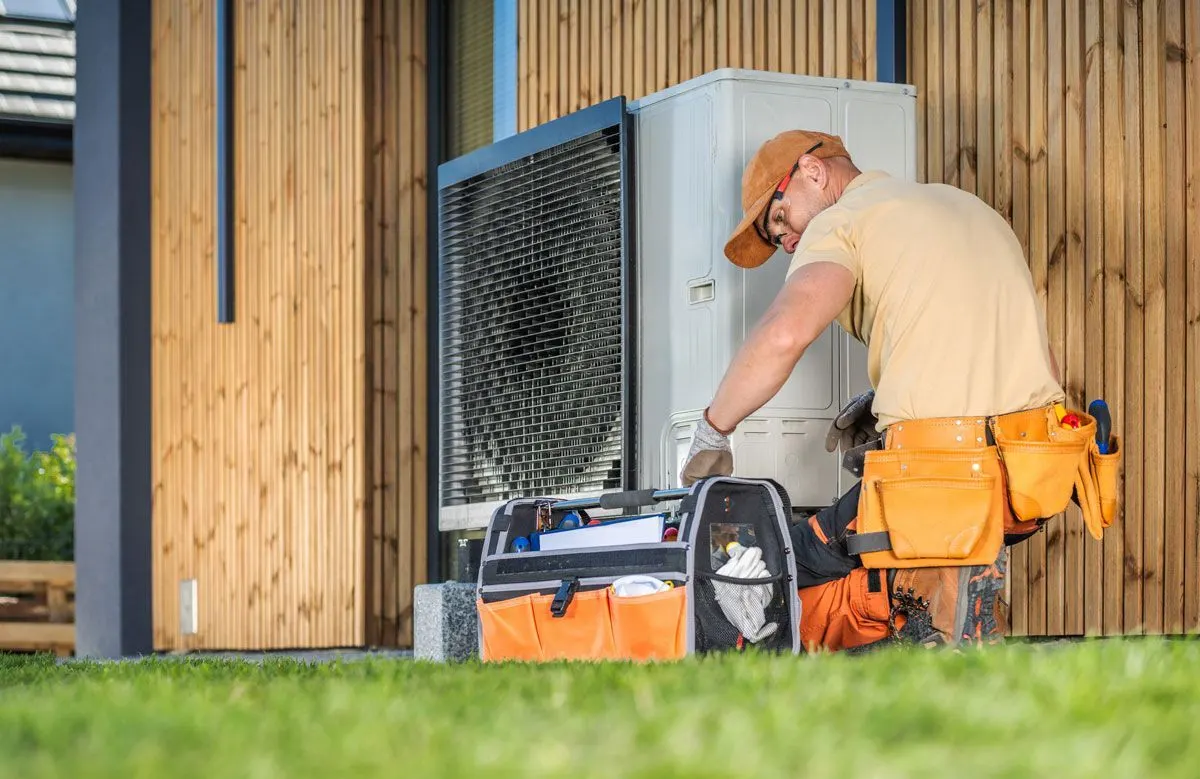
Ready for Expert Heating Installation & Replacement in Southern Illinois?
Ask Smith for an estimate or service details in Steeleville, IL.