Heating Maintenance & Tune-Up in Southern Illinois
Is your furnace running nonstop but barely warming the house? Routine tune-ups keep your system running like new and catch issues early.
Is Your Furnace Running Constantly But Barely Keeping Up, or Have You Noticed Your Gas Bills Climbing Without Explanation?
These aren't minor inconveniences — they're signs your heating system needs professional maintenance before a small problem turns into a mid-winter breakdown. Smith Heating, Air & Sheet Metal has been servicing furnaces across Southern Illinois for years, and we're ready to get your system cleaned, calibrated, and running efficiently again.
Warning Signs Your Furnace Needs Maintenance
Furnace Runs Constantly But House Stays Cold
The furnace never shuts off — you hear it cycling every few minutes — but the thermostat barely budges and rooms farthest from the unit stay uncomfortably cold. This usually points to restricted airflow from a dirty blower wheel, clogged filter, or failing ductwork that prevents heat from reaching your living spaces. A furnace running nonstop wears out faster, drives up your utility bill, and risks a complete failure on the coldest night of the year when the blower motor or igniter finally gives out from constant stress.
Yellow or Flickering Burner Flames
If you've opened the furnace cabinet and seen yellow, orange, or dancing flames instead of steady blue ones, you're looking at incomplete combustion. This happens when burners are clogged with dust and debris, or when the combustion air intake is restricted, preventing the right air-to-gas mixture. Yellow flames produce carbon monoxide and waste fuel that doesn't burn cleanly, and they accelerate soot buildup that can clog the flue or crack the heat exchanger.
Utility Bills Climbing Without Explanation
Your gas or electric bill has jumped 20% to 50% compared to last year, but you haven't changed how you use the system or faced dramatically colder weather. When a furnace loses efficiency — from dirty burners, a dust-caked blower wheel, or a failing capacitor — it runs longer to produce the same heat, burning more fuel and driving up costs every month. Left unchecked, that efficiency loss accelerates wear on major components and turns a $150 maintenance visit into a $1,200 repair or full system replacement.
Strange Smells When the Furnace Runs
There's a smell coming from the vents that doesn't go away after the first few cycles — dusty and burning, musty and moldy, or sharp and chemical. A burning dust smell at season startup is normal, but persistent odors mean dust buildup inside the blower, mold in the evaporator coil, or overheating wiring from a failing motor. A sharp smell can indicate a cracked heat exchanger leaking combustion byproducts, which is a carbon monoxide hazard requiring immediate shutdown.
Furnace Makes Loud Banging or Rumbling Noises
When the furnace fires up, there's a loud bang or boom that echoes through the house, or the system rumbles and groans while running. A bang at startup means delayed ignition — gas builds up before the igniter lights it, causing a small explosion that stresses the heat exchanger and can eventually crack it. Rumbling during operation points to dirty burners or a failing blower motor bearing, and rattling means loose components that will cause secondary damage if ignored.
Thermostat Constantly Calling for Heat
The thermostat never seems satisfied — the furnace runs for 20 minutes, shuts off briefly, then fires right back up, and you're adjusting the setpoint multiple times a day just to stay comfortable. This happens when the furnace can't produce enough heat due to dirty burners, restricted airflow, or a failing gas valve, or when the thermostat itself is reading incorrectly from dirt, poor placement, or lost calibration. Constant cycling wears out the igniter, gas valve, and blower motor faster than normal operation and burns more fuel without delivering the comfort you're paying for.
Common Causes of Heating Problems
Dust and Debris Buildup on Critical Components
Furnaces pull air through return ducts, and that air carries dust, pet hair, dander, and microscopic debris that accumulates on the blower wheel, burner assembly, flame sensor, and heat exchanger over months and years. In Southern Illinois homes with crawlspaces or unfinished basements, furnaces also pull in dust from below the house, and older homes with plaster walls or unsealed ductwork contribute even more particulate. A maintenance visit includes pulling the blower assembly, cleaning the wheel with a brush and vacuum, cleaning burners with compressed air, wiping down the flame sensor, and inspecting the heat exchanger for soot buildup to restore full airflow and combustion efficiency.
Neglected Flame Sensor or Igniter
The flame sensor is a small metal rod that sits in the burner flame and confirms gas is burning, but over time it develops a coating of carbon, dust, or oxidation that insulates it from the flame and triggers the safety system to shut off the gas valve. The igniter — whether it's a hot surface igniter or pilot assembly — wears out from repeated heating and cooling cycles, and hot surface igniters are especially fragile, cracking or weakening after a few years. We remove the flame sensor and clean it with fine steel wool until it's bare metal again, and if the igniter is cracked or weak, we replace it — both are inexpensive parts that prevent the majority of mid-winter no-heat calls.
Worn or Failing Blower Motor Capacitor
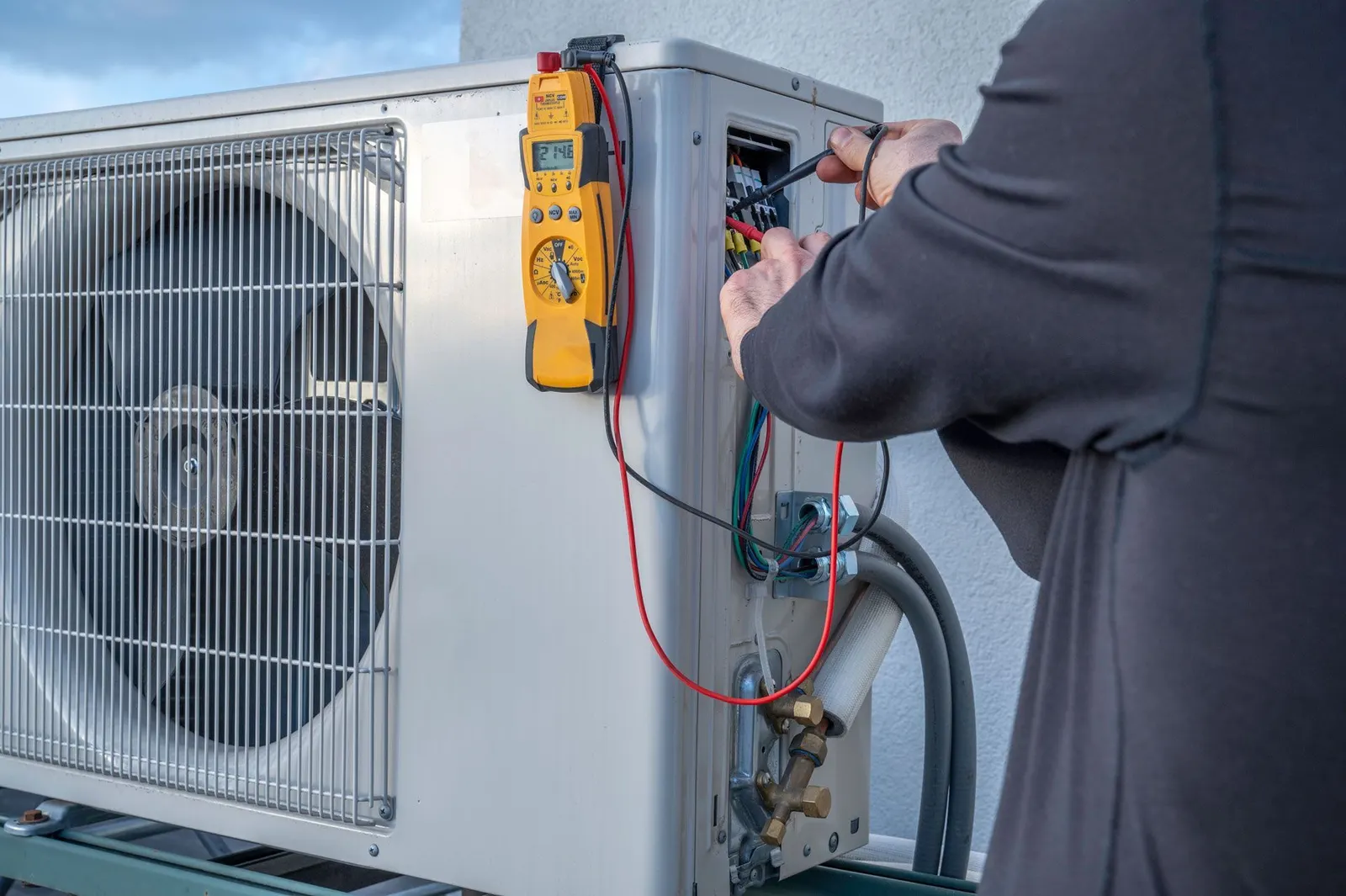
The blower motor capacitor stores and releases electrical energy to start the motor and keep it running smoothly, but capacitors degrade from heat, voltage fluctuations, and age, losing their charge capacity over time. In Southern Illinois, where furnaces often share the same blower with an air conditioning system, the capacitor works year-round and wears out faster, making the blower struggle to start, run slower than designed, or draw excessive amperage that overheats the motor windings. We test the capacitor with a multimeter during every maintenance visit, and if it's out of spec we replace it on the spot — a $20-$40 part that takes five minutes to install and can add years to the life of your blower motor.
Dirty or Clogged Air Filter Choking the System
The air filter is the most neglected part of the system — homeowners forget to check it, or they use a high-MERV filter designed for allergen control in a system that can't handle the airflow restriction. In homes with basements, dusty conditions, or pets that shed year-round, filters clog faster than the standard 30-day or 90-day replacement schedule suggests, forcing the blower to work harder and reducing airflow across the heat exchanger until the system overheats and shuts down on the limit switch. We check the filter at the start of every visit, measure airflow and static pressure to make sure the filter type matches the system's design, and show homeowners where the filter is and how to check it themselves between visits.
Lack of Regular Lubrication and Adjustment
Older furnaces often have blower motors with oil ports that need annual lubrication, belt-drive blowers that need tension adjustments as the belt stretches, and gas valves, flame sensors, and igniters that need periodic inspection and calibration. In Southern Illinois, where furnaces run for four to six months straight during heating season, these small maintenance tasks make a huge difference in reliability, but most homeowners don't know they're needed. During a maintenance visit, we lubricate motor bearings, check and adjust belt tension, test gas pressure at the manifold, check electrical connections for corrosion, and measure temperature rise across the heat exchanger to confirm the furnace is operating within manufacturer specs — adjustments that prevent problems from developing in the first place.
What to Expect During Your Maintenance Visit
When you schedule a heating maintenance visit with Smith Heating, Air & Sheet Metal, you're getting a technician who's worked on hundreds of furnaces across Southern Illinois, from 40-year-old atmospheric units in farmhouses to modern high-efficiency systems in newer subdivisions. We're not there to sell you a new furnace or upsell unnecessary parts — we're there to make sure your system runs reliably all winter, and we'll tell you straight if something needs attention.
The visit starts with a visual inspection of the furnace cabinet, flue pipe, ductwork connections, and the area around the unit for rust, soot, water stains, loose wiring, or signs of past repairs. We check the thermostat to make sure it's calling for heat correctly and reading temperature accurately, then fire up the furnace and listen — a lot of diagnosis happens with your ears, from the sound of the igniter and the whoosh of the burners lighting to the hum of the blower and the click of the gas valve. Once the system is running, we pull the blower assembly and clean the wheel, which is where most of the dirt hides and the part that makes the biggest difference in performance — a clean blower wheel moves 20% to 30% more air than a dirty one.
We clean the burners, flame sensor, and igniter, vacuum out the combustion chamber, and inspect the heat exchanger for cracks or corrosion using a flashlight and mirror. We test the capacitor, measure amp draw on the blower motor, check voltage at the transformer and control board, inspect limit switches and rollout sensors, and measure temperature rise to confirm the system is producing the right amount of heat. We also check the condensate drain if you have a high-efficiency furnace, inspect the vent pipe for blockages, make sure the combustion air intake is clear, and test thermostat settings. At the end of the visit, we'll give you a straightforward report — if everything looks good, we'll tell you the system should run reliably through the season, and if we found something that needs attention, we'll explain what we saw, what it means, and what your options are.
Heating Maintenance & Tune-Up Coverage Across Southern Illinois
We serve homeowners throughout the region with the same diagnostic approach, the same tools, and the same commitment to keeping your heat running all winter.
Southeastern Missouri: Perryville, MO
Related Heating Services
If your furnace is running but not heating like it used to, or if you're hearing noises or smelling odors that weren't there before, you might need more than maintenance — you might need a repair. We handle everything from failed igniters and blower motors to cracked heat exchangers and control board failures, and if your system is old enough that repairs don't make financial sense anymore, we'll walk you through your options for heating installation and replacement.
Schedule Your Heating Maintenance Today
You shouldn't have to guess whether your furnace will make it through the winter, wake up to a cold house, deal with climbing utility bills, or ignore strange noises and hope they go away. A heating maintenance visit gives you answers and a system that's clean, calibrated, and ready for months of reliable operation.
If it's been more than a year since your last tune-up, or if you're noticing any of the warning signs we've covered, now's the time to schedule service. Contact us today and we'll get you on the schedule with a technician who knows Southern Illinois furnaces inside and out.
Ready for Expert Heating Maintenance & Tune-Up in Southern Illinois?
Ask Smith for an estimate or service details in Steeleville, IL.