
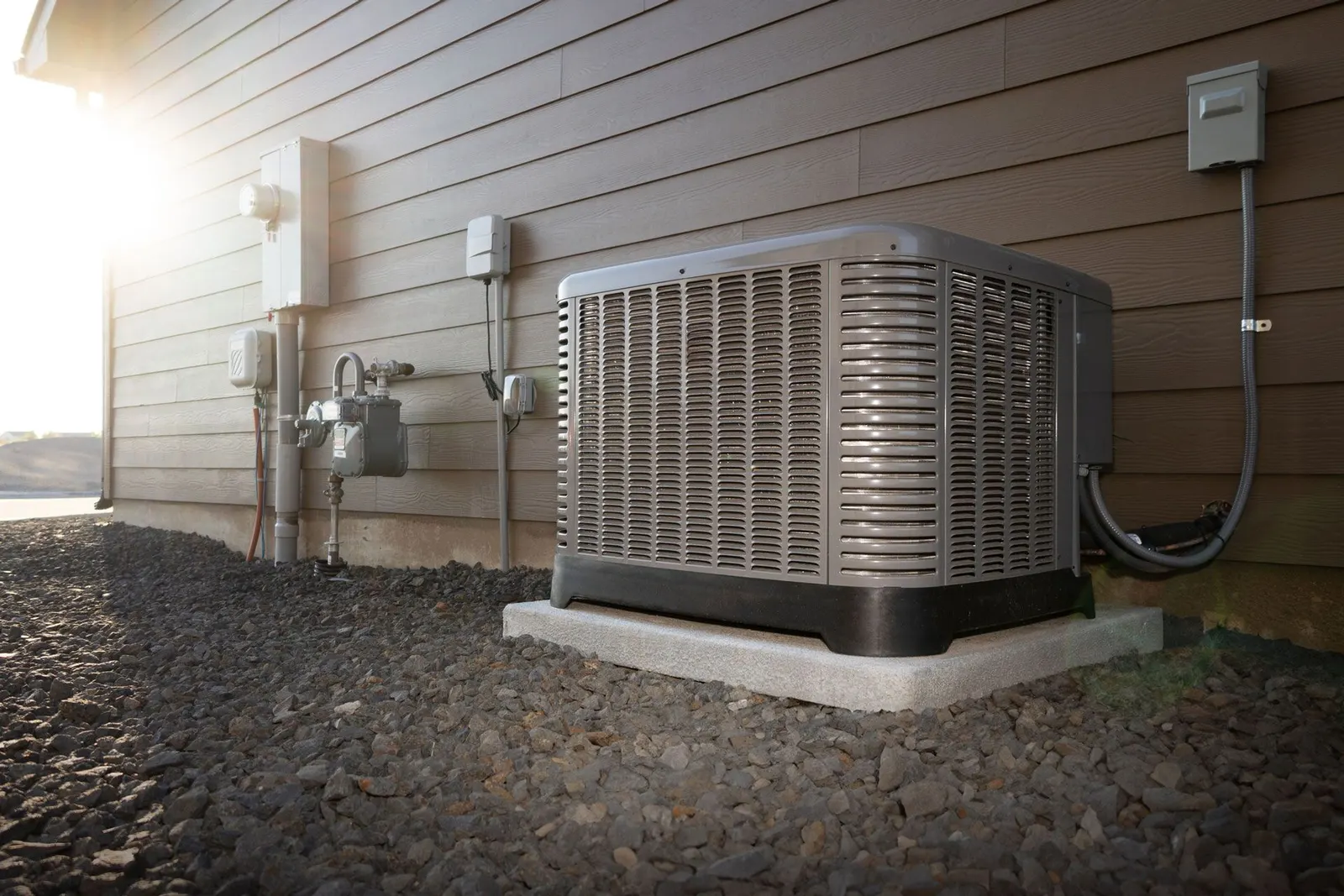
Repair vs replace your AC: a Southern Illinois decision guide
Repair makes sense when the system is mid-life, the fault is isolated, and airflow is healthy. Replacement usually wins when the compressor or coil fails on an older unit, repairs stack year after year, or comfort and efficiency have already collapsed.
Updated 2026-07-14
When to use this
Use this guide when
You have a repair quote in hand, the system is past ten years, or you are comparing ‘patch it’ versus ‘replace it’ before humid weather peaks.
Compare your options
Lean repair when
The equipment is under roughly 10–12 years, maintenance history is decent, the failed part is available, and the repair is a modest fraction of replacement. Confirm duct and airflow health so you are not fixing a symptom caused by restriction.
Lean replace when
The system is late-life, major components failed, refrigerant type or parts are scarce, rooms never cool evenly even after past repairs, or annual repair spend is climbing. Replacement lets you reset efficiency and warranty timelines.
Get a third data point
Ask Smith for a condition summary: expected remaining seasons, risk of cascading failures, and what changes if you wait one more summer. Decide with a timeline, not only a price.
Failure modes to avoid
Repairing without checking airflow
A new capacitor will not save a system that freezes because of dirty coils or crushed return ducts. Fix the root path or the next failure arrives quickly.
Replacing on bad ducts
New equipment on leaky ducts inherits old comfort complaints. Include duct findings in any replace plan.
Trust signals
- Decision framework used in real Smith estimate conversations.
- No brand pressure — outcomes first.
Comparison framework for residential cooling repair vs replacement decisions.
FAQs
Is there a dollar rule for repair vs replace?
A common homeowner rule is to rethink repair when a single repair approaches a third of replacement on older equipment — especially if another major part is likely soon. Use it as a conversation starter, not a law.